Lyft is now launching autonomous robotaxi trips in Austin, Texas. Argo AI will power Ford’s autonomous driving vehicles.
According to a blog post by the company, Austin users can choose a driverless commute directly from the Lyft app for the same price as a regular Lyft ride. Customers can start the ride, unlock the doors, and get in touch with customer service via the app. At first, that might seem strange, especially considering that two people in the driver’s and passenger’s seats will monitor the journey for safety.
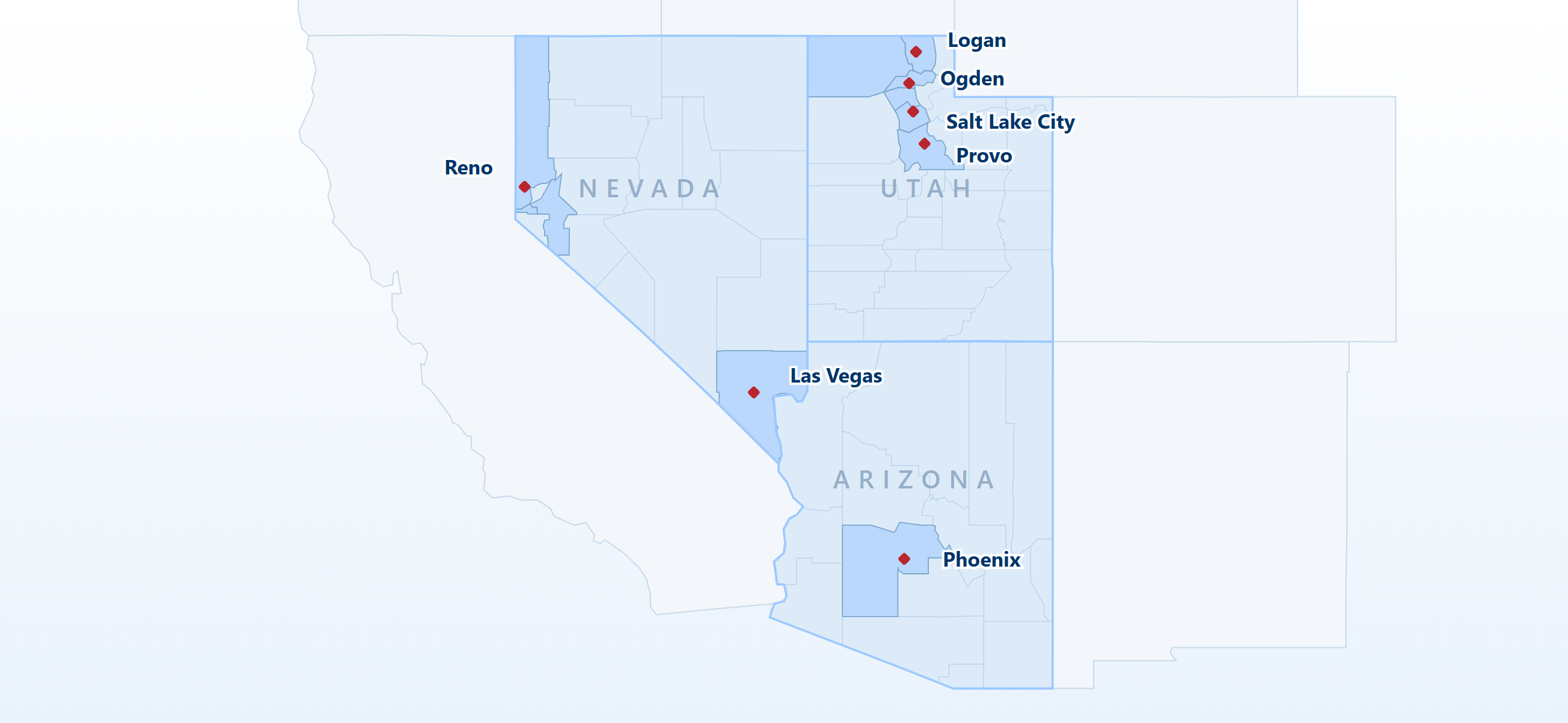
After Miami and Las Vegas, Austin is the third city where Lyft offers autonomous rides. In December 2021, the company started providing rides in Miami. As part of a partnership between the three businesses announced in July 2021, these rides also utilize Argo AI technology on Ford automobiles.
The announcement by Lyft and Argo of a launch in Austin was anticipated; the two companies, along with Ford, had previously announced a plan to introduce at least 1,000 autonomous vehicles on Lyft’s network over the course of five years, beginning in Austin and Miami. However, the launch moved faster since leading rival Cruise announced intentions to introduce its autonomous transportation service in Austin before the year.
Lyft and Argo have generally avoided Cruise’s home city of San Francisco, where rivals like Waymo and Zoox have concentrated their resources, and Cruise debuted a fully autonomous commercial ride-hailing service this summer. Instead, the businesses have focussed on other American cities with less rivalry.
In Las Vegas, Lyft and Motional also unveiled a fleet of fully electric robotaxis. In addition, Argo is conducting live tests in seven locations worldwide, including Hamburg, Germany, Washington, D.C., Pittsburgh, Detroit, and Palo Alto.
During the launch, two people in the driver’s and passenger’s seats will monitor the journey for safety on behalf of the company.
According to Lyft, removing the driver would depend on safety performance statistics, an appropriate amount of public approval, and regulations.

After a source code leak was posted by an unidentified third party on 4chan and GitHub last week, the technology giant Intel has confirmed that confidential source code related to its Alder Lake CPUs has been leaked.
The disclosed information comprises UEFI (Unified Extensible Firmware Interface) code for the company’s 12th-generation CPUs that were released in November 2021.
It is believed that the leaked data also contained multiple references to Lenovo, including code used for integration with Lenovo String Service, Lenovo Cloud Service, and Lenovo Secure Suite.
According to Intel, the source code is genuine and is their “exclusive UEFI code.” Furthermore, the technology giant stated that it doesn’t believe this exposes any new security vulnerabilities as it does not rely on the obfuscation of information as a security measure.
Sources from Hardened Vault noted that attackers can still gain significantly from the breaches even if the disclosed OEM implementation is only partially deployed in production.
According to other sources, a private encryption key called KeyManifest, which is used to protect Intel’s Boot Guard platform, was also exposed in the breach.
It is unknown whether or not the compromised private key is used in production. Still, if it is, it might allow hackers to alter the boot policy of Intel’s firmware and bypass the company’s hardware-level security measures.
Despite the fact that the source of the leak remains unknown, it’s clear that sensitive information about Intel’s Alder Lake CPUs has been exposed. This breach might allow attackers to exploit security measures put in place by Intel. If you have discovered a vulnerability in the source code, you can report it to Intel’s Project Circuit Breaker bug reward program. Depending on the severity of the issue, you could be eligible for a reward of up to $100,000.

While Premiere Elements 2023 is receiving a couple of new features and a considerable speed boost, Photoshop Elements 2023 adds some powerful new features and enhanced performance. Along with these enhancements, both editors have been given a boost from Adobe Sensei, the company’s universal AI.
While Premiere Elements 2023 is receiving a couple of new features and a considerable speed boost, Photoshop Elements 2023 adds some powerful new features and enhanced performance. Along with these enhancements, both editors have been given a boost from Adobe Sensei, the company’s universal AI.
Adobe’s mission is to make video and photo editing more efficient, regardless of the user’s skill level.
The latest editions of the Elements software rely heavily on artificial intelligence. For example, thanks to the new AI implementations, one of the most eye-catching editing features in the new Photoshop Elements 2023 is the ability to convert still images into moving photos.
Adobe demonstrated how easy it is to add movement elements to still pictures. This demonstration showed how you could quickly add animation to bring a waterfall picture to life. All you have to do is select the Moving Elements tool, choose the region to be animated, and specify the movement’s direction. The newly released Photoshop Elements also includes an excellent range of overlays, patterns, backgrounds, and other features.
As for the video editing software, Premiere Elements 2023 will automatically recognize faces and tag videos, making it easier to find friends and family for compilation videos. Another handy feature is auto-reframe; this feature lets you switch between portrait and landscape modes without sacrificing any of the crucial details of the scene. The last features worth mentioning are the different aesthetic effects that can be applied to a video clip and the Auto-Creations feature that automates editing.
The introduction of a three-way “connected experience” has also been announced by Adobe. With the release of web and mobile apps for iOS and Android, users can now view and share media on their mobile devices. In addition, users can make basic edits from a browser.
In addition to the new features, Adobe claims that these new versions are lighter than last year’s versions and that the software launches 50% faster. They also claim that installs are now 35% faster.
Each application is priced at $100 or $80 if upgrading from a previous version. The two applications can be purchased in a bundle for $150 or upgraded for $120.

Turnstile, an ambitious new project from Cloudflare, aims to do away with the CAPTCHAs that are now being used on the internet to confirm users are not robots.
Turnstile utilizes a revolving set of “browser challenges” to verify that visits to a website are not, in fact, bots. This service is free for all website owners, whether they are Cloudflare clients or not. The company stated that their CAPTCHA replacement would also increase user privacy on the web since sites that use it won’t need to submit user data to Cloudflare.
Back in June 2022, Cloudflare stated that iOS and macOS users would be the first to receive the technology’s benefits while accessing webpages hosted on the company’s network.
It remains to be seen if website owners will opt for Turnstile instead of the current CAPTCHA. However, according to statistics, 97.7% of the top million websites utilize Google’s reCAPTCHA, the market’s most popular CAPTCHA tool. To make Turnstile more accessible, Cloudflare is developing plugins for popular platforms like WordPress.
Turnstile appears to be a more fair CAPTCHA system for several reasons.
According to security researchers, Google’s most recent iteration of reCAPTCHA violates users’ privacy by weighing the presence of a proprietary cookie in a browser to determine whether or not a user is malicious. Cloudflare claims that Turnstile avoids this problem for all users.
It’s worth noting that users that utilize firewalls to defend against cookie hijacking attacks may experience issues with cookies weighting verification. In addition, users that constantly remove their cookies to avoid being tracked around the internet also have problems with reCAPTCHA.
Turnstyle provides an alternative to Google’s stronghold on CAPTCHA services for website owners.
It’s not easy to consider Cloudflare’s Turnstile as anything other than a good thing right now because it’s a privacy-focused solution that aims to enhance user experience. Still, only time will tell if Turnstile manages to replace the Captcha functionality.

Some major U.S. airports’ websites were inaccessible early on Monday, October 10, 2022, due to a coordinated denial-of-service assault orchestrated by professional hackers. However, officials said flights were unaffected.
The assaults, in which participants bombard sites with garbage data, were planned by a mysterious organization named Killnet. The group posted a target list on its Telegram channel the day before the attacks.
Even though DDoS attacks are highly visible and meant to have the most psychological impact possible, they are mostly a nuisance. This differs from hacking, which involves breaking into networks and can cause severe damage.
John Hultquist, vice president of intelligence analysis at Mandiant, tweeted on Monday that both the state government and airport assaults “are what we make of them,” describing the DDoS impact as superficial, brief, but highly noticeable. However, the post added that he is concerned that we may be entering a new phase of increased targeting in the U.S. that might include more severe incidents.
Hultquist also stated, “These are not the serious impacts that have kept us awake.” Most of the time, these attacks show that webmasters aren’t doing enough to protect their sites, which now includes using a DDoS protection service.
The Los Angeles International Airport has issued a statement saying that flylax.com had some difficulties early this morning. However, the outage was restricted to their website alone, and no internal airport systems were affected. LAX added that it had contacted the Transportation Security Administration and the FBI.
The Atlanta International Airport said that following the DDoS assault, its atl.com website is back operational and that airport operations were never affected.
According to a CISA spokesperson, the agency is aware of reports of DDoS assaults targeting numerous U.S. airport websites and is coordinating with possibly impacted entities and giving help as needed.
One hour before the first airport, Chicago O’Hare, was hit, Killnet announced the assaults on the airports via the Killnet Telegram account at 6:50 a.m. EST.
DDoS attacks are mostly a nuisance but can be disruptive. A group or organization usually carries them out, and target websites are chosen ahead of time. Unfortunately, the U.S. is not the only country to fall victim to these attacks, as they have been happening worldwide. While most of the time, these attacks are not severe, it is essential to be aware of them and take steps to protect websites from being attacked.

On October 4th, 2022 a cybersecurity incident has disrupted CommonSpirit Hospitals. With more than 150,000 employees, 20,000 physicians, and serving 21 million patients, CommonSpirit Hospitals is the second-largest nonprofit hospital system in the nation. In 21 states, CommonSpirit operates more than 1,000 care sites and 140 hospitals.
CommonSpirit Hospitals announced it is investigating an “IT security issue.” While the full extent of the attack is unknown, it has already caused significant disruptions for patients and staff at CommonSpirit Hospitals.
Some of MercyOne Des Moines Medical Center’s IT systems, including access to electronic health records, have been shut down. In addition, CHI Health, a subsidiary of CommonSpirit based in Nebraska, reported outages across its Omaha hospitals.
Although it is not entirely clear how the incident occurred or what kind of information was compromised, it does illustrate the vulnerability of the U.S. healthcare system to cyberattacks.
The healthcare system in the United States has been the target of numerous high-profile attacks, including University Medical Center Southern Nevada, Eskenazi Health, and Kaiser Permanente. In 2022, at least 15 U.S. health systems were affected by ransomware, and 12 of those incidents involved compromising personal health information.
Cybersecurity attacks on healthcare facilities can seriously affect patients, staff, and the hospital’s operations. These incidents can lead to the loss of essential data, disruptions in care, and financial damages.
Healthcare organizations can prevent cyberattacks by adopting strong security policies, investing in robust security technologies, and training employees to identify and respond to threats. As a result of these measures, healthcare organizations can reduce the harmful effects of cyberattacks on patients, staff, and facilities.

Voice over IP, or VoIP, has become increasingly popular among business owners. However, many business owners ask if VoIP is viable in a landscape where many voice systems are either no longer supported or cost a fortune to upgrade.
Your business relies on a consistent and secure communication network. Therefore, choosing the right voice-over IP solution is crucial for your business. Here are three things to look for when trying to find a voice-over IP solution for your business.
Quality of Service – One of the biggest issues with traditional phone systems is the inconsistent quality of the calls. With VoIP, calls are routed through your internet, so distance no longer matters, and the quality of your calls is far superior.
Costs – VoIP may be more expensive than a standard phone system in some cases. However, in many cases, the overall costs of using VoIP will be offset because you will no longer need to pay for the line costs, physical hardware, and hourly labor associated with your current phone system.
Flexibility – VoIP can create flexible networks, changing how employees work and the business operates. In addition to offering internal telephony, VoIP systems allow you to connect multiple offices, make cheap international calls, or even integrate it with your video conferencing solution.
Voice over IP has become increasingly popular among business owners as a viable option to traditional phone systems. VoIP offers many benefits, such as superior call quality, cost savings, and flexibility. In a landscape where many voice systems are either no longer supported or cost a fortune to upgrade, VoIP is a great choice for businesses that need a reliable and flexible communication network.
If you’re wondering whether VoIP is right for your business, the answer is an emphatic yes. If you are considering upgrading your telecommunications infrastructure or are looking for a VoIP solution to improve employee productivity, give our team a call. We are glad to help.

This year, security experts have found three updated versions of Prilex malware that target point-of-sale systems.
In 2014, Prilex was a type of malware that targeted ATMs. It switched to PoS (point of sale) devices in 2016, but it wasn’t until 2020 that the malware reached its peak. After that, it faded away in 2021.
Analysts at Kaspersky say that Prilex is back, and it looks like a more advanced and dangerous version of the malware has resurfaced this time. The latest version of this malware can create EMV (Europay, MasterCard, and Visa) cryptograms, which VISA introduced as a transaction validation system to help find and stop payment fraud.
The Kaspersky report explains that it lets threat actors use EMV cryptograms to do “GHOST transactions” with credit cards protected by CHIP and PIN technology.
The infection starts when a spear phishing email pretending to be from a technician from a PoS vendor says that the company needs to update its PoS software. Next, the fake technician goes to the target’s location and installs a malicious upgrade on the PoS terminals. The attackers could also tell the victim to install the AnyDesk remote access tool on their computer and then use it to replace the PoS firmware with a version that has been tampered with.
After the machine is infected, the operators will check to see if the target does enough financial transactions to be worth their time.
The new version of Prilex has a backdoor for communication. The backdoor can do many different things, like open files, run commands, end processes, change the registry, and record the screen. Once the information is encrypted and saved locally on the infected computer, the malware sends periodic requests to the control server.
Kaspersky concluded that the Prilex group knows a lot about how credit and debit card transactions work and how software used for payment processing works. This knowledge allows attackers to keep updating their tools until they find a way to get around the authorization policies and carry out their attacks.

Having remote workers in your business is a great way to expand cost-effectiveness and helps your business grow. But, unfortunately, many businesses have issued remote workers limited access to the network to protect important information. Knowing this, hackers are finding creative ways to access networks and steal vital information.
It is important to ensure your remote workers have proper security protections in place not only to protect their personal devices but also to secure networks and data. Here are three ways to help protect your remote workers:
Define Acceptable Usage Policies: First and foremost, it’s important to have clearly defined policies for your work-from-home employees. These policies should address the use of internet browsers, hardware, and recording devices. Then, create clear rules and enforce the policies.
Use encrypted email: Email is the most common form of business communication people use to communicate remotely. Unfortunately, it is also a favorite method of hackers to sneak peeks at sensitive information and compromise your company’s security. Fortunately, solutions exist that can help you eliminate this risk. Encrypted email is a type of email that only the sender and the recipient can read. This ensures that if the email falls into the wrong hands, the hacker will not be able to read its contents.
Use Virtual Private Networks: Virtual Private Networks allow your remote workers to safely connect to your networks without exposing your network to the risk from their devices. VPNs create a secure tunnel between your networks and remote workers. VPNs provide excellent protection and are a very cost-effective solution.
Employers are quickly learning the benefits of having remote workers. With the right security in place, it’s a great way to expand your business and cut costs. However, with hackers getting more creative in their attack methods, it’s important to ensure your remote workers have the proper protections in place. By using these secure means of communicating and protecting your networks, you can feel confident that you can protect your valuable data from prying eyes.