






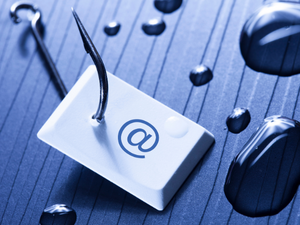
A new phishing campaign targeting Facebook users has been identified by cybersecurity firm Trustwave. In this campaign, hackers use fake copyright infringement notices to trick users into giving away their account details.
The phishing messages claim that Facebook will delete the user’s account within 48 hours unless they fill out an appeal form to protect themselves. This appeal form collects personal information from the user, such as their name, phone number, and address.
The phishing attack is delivered through email and includes a link to an actual Facebook post. When users click on the link, they are redirected to a fake, custom-built site appearing to be customer support. On this site, the user is prompted with a fake One Time Password (OTP) check. When the OTP fails a pop-up offers an alternative authentication option. By selecting the other option, users are redirected to the official Facebook site.
Users should be cautious if they receive copyright violation notices, as this could signify a phishing attack. Additionally, Trustwave advises users to always verify the authenticity of the source before entering any personal information.
To protect themselves against phishing attacks, users should also use strong and unique passwords for their accounts. In addition, enabling two-factor authentication and being wary of clicking on links in unfamiliar emails can further help reduce the chance of being a victim of these types of attacks. Finally, regularly reviewing the permissions and app connections associated with your Facebook account is also a good idea, as these can sometimes be a vector for phishing attacks.
By following these simple precautions, users can help to protect themselves and their personal information from falling victim to this or any other phishing campaign. It is important to remain vigilant and stay up-to-date on the latest tactics used by hackers in order to keep your information and accounts safe.
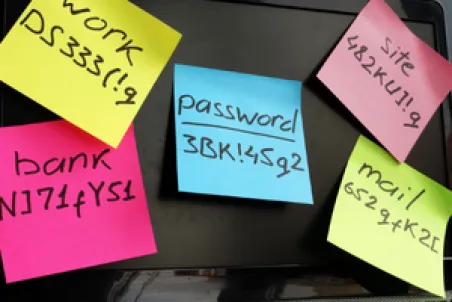
LastPass, a popular password manager, announced that an unauthorized party accessed the company’s archived backups of its production data on a third-party cloud-based storage service. According to the company’s investigation, a threat actor accessed the cloud storage environment in August 2022 with information obtained from an earlier incident.
Although the threat actor did not access customer data in the August incident, some source code and technical information were stolen and used to target another employee. This allowed the threat actor to obtain credentials and keys to access and decrypt storage volumes within the cloud storage service.
According to LastPass, the cloud storage service accessed by the threat actor is physically separate from the production environment. However, the actor copied customer account information, including email addresses, company names, billing addresses, telephone numbers, end-user names, and IP addresses.
The threat actor copied a backup of the production data, including unencrypted data, such as URLs. In addition to the unencrypted data, encrypted sensitive information, like usernames and passwords, secure notes, and form-filled. The data is stored in a proprietary binary format, and the encrypted fields are protected by 256-bit AES encryption. The threat actor can only decrypt them with a unique encryption key. The encryption key is derived from the user’s master password via LastPass’ Zero Knowledge architecture.
The threat actor may attempt to guess customer master passwords using brute force to decrypt copies of vault data they obtained. LastPass has assured its customers that it would be challenging for them to do so because of the encryption methods used to secure the data. However, LastPass advises customers to remain vigilant against brute force, credential stuffing, or other phishing attacks on accounts associated with their LastPass vaults.
The company has taken several steps to address the issue and provide security for its customers. These include revoking the keys accessed by the threat actor, strengthening internal controls, and implementing additional security measures. Furthermore, the company is working with law enforcement and cybersecurity experts to investigate the issue further.
LastPass recommends that all customers follow best practices when creating and managing strong passwords as a precautionary measure. In addition, LastPass customers should remain vigilant and follow the recommended precautions to ensure the security of their personal information.
In late November 2022, sports betting firm DraftKings announced that it had suffered a data breach affecting approximately 68,000 customers. The company stated that the breach resulted from a credential stuffing attack, in which attackers obtained credentials from a third-party source and attempted to use them to access DraftKings accounts.
According to DraftKings, the attackers were able to withdraw around $300,000 from compromised accounts before the breach was discovered. The company has since refunded all stolen funds to affected customers.
While the attack did not involve a breach of DraftKings’ systems, the company has disclosed that personal information such as names, addresses, phone numbers, email addresses, and profile pictures may have been compromised in the attack. Additionally, the attackers may have accessed the last four digits of payment cards, details of prior transactions, and the date of the last password change for affected accounts.
DraftKings has emphasized that there is no evidence that social security numbers, driver’s license numbers, or financial account numbers were compromised in the attack. The company also noted that it does not store full payment card numbers, expiration dates, or CVVs, so these types of sensitive information were not at risk.
In response to the data breach, DraftKings has prompted impacted customers to reset their account passwords and has urged all customers to review their account and credit reports for any suspicious activity. The company has also informed the Maine Attorney General that the attack impacted 67,995 individuals.
The data breach at DraftKings highlights the importance of protecting personal and financial information from cyber attacks. As a business owner, it is important to implement strong password policies, regularly update software and security protocols, and monitor for suspicious activity to protect against credential-stuffing attacks and other cyber threats. Additionally, it is crucial for individuals and organizations to use unique, strong passwords for each account and to regularly update these passwords to reduce the risk of falling victim to a credential-stuffing attack. By taking these precautions, you can help ensure the security of your business and your customers’ personal and financial information.

For the majority of organizations, traveling to a conference may be time-consuming, expensive, and challenging. Then there’s the trip, the time away from the workplace, and the mountain of fires to put out when you return.
Vendors, groups, and media sources do online webinars almost every day.
Free webinars typically aim to inform both partners and non-partners about the services, goods, and company procedures. In contrast, paid webinars focus more on improving your company operations, security, and other aspects of your business.
Thanks to the amount of information available online, you could have your team learning at any moment without ever leaving the building. The secret to signing up for and participating in webinars is ensuring the material presented is helpful, not just an hour-long sales pitch.
Before signing up for a webinar, it’s a good idea to find out whether your peers have had positive experiences with the presenter. Research is a crucial step to avoid wasting time or abandoning future educational activities due to a negative experience.
After attending a few successful online events yourself, you may delegate attendance to your staff; this will ensure that your employees are up-to-date on industry trends and developments, which will benefit the employees and the company.
If you’ve previously attended webinars and were turned off by the lack of information, now is an excellent time to reconsider. There are tons of free webinars for almost every field. Also, in order to increase sales, vendors are investing more time, money, and resources in educating partners.
If you have a lot going on, keep an eye out for web events that are presented during off-peak times, such as lunch. These programs, commonly referred to as lunch-and-learns, are a great way to educate office personnel.
The most important thing is to establish an educational culture inside your company. Your staff will be happier, and your sales may even increase.
While public Wi-Fi can be a convenient way to stay connected while traveling, it is important to be aware of its potential security risks. If a hacker intercepts your data while using public Wi-Fi, it can result in identity theft, compromised credentials, malware exposure, or even compromise your business account.
There are a few steps you can take to safeguard your data while traveling this holiday season.
Strong Password
By using robust credentials, users can rest assured that their private information will be safe. Passwords should include letters, symbols, and numbers to prevent hackers from guessing them and compromising their accounts. A password manager is an excellent tool for generating strong passwords and storing them in a secure location.
Secure Connection
The best way to ensure that information is protected online is to use HTTPS when available. HTTPS is a secure protocol that encrypts all data sent between a website and its visitors so that no one can intercept and steal the information. However, not all websites offer HTTPS. Users can utilize a VPN to protect their data further. A VPN will encrypt users’ data as they navigate the internet, protecting their valuable information.
Exercise Caution
Finally, always exercise caution when downloading files or conducting other online transactions. For example, never download anything from an unknown website or email. It may be a phishing attempt to steal personal or financial information.
When traveling for business or pleasure, it’s important to know that there are a number of security risks associated with public Wi-Fi. However, by following a few simple guidelines, you can protect your data and stay safe while browsing the internet.
The FBI program tasked with ensuring critical infrastructure security has been compromised by hackers, who now offer access to the program’s data on the dark web.
The breach was initially disclosed by Brian Krebs of Krebs on Security, who claims that the data was for sale on a cybercrime forum called Breached. When Krebs called the seller, also known as USDoD, they said they had stolen the information by pretending to be the CEO of a large but unnamed U.S. financial institution that evaluated Americans’ credit ratings. The hacker’s application was approved within a few weeks, presumably without any FBI scrutiny. USDoD claims that after being given access to the company’s internal environment, they utilized a straightforward Python script directed at one of the website’s APIs to access and steal the personal data of other participating members.
According to Krebs, many of the accounts in the database are missing critical personal data, including birthdays, social security numbers, and emails. This database, which provides access to the contact details of more than 80,000 InfraGard members, is currently on sale on the Breached cybercrime site for $50,000.
Although USDoD acknowledges that the database’s $50,000 price tag is excessive, it is necessary in order for a price negotiation to take place if a buyer expresses an interest. Despite the limited information, nothing stops hackers from contacting these well-known individuals while the InfraGard account is still active.
The FBI’s lack of security checks is the most concerning part of this data breach. The individual whose identity was used to open this account has stated that the FBI did not get in touch with them before the account was authorized. Additionally, the FBI informed Krebs that it was aware of a possible false account connected to InfraGard and that “this is an ongoing issue, and we are unable to give any other information at this time.”

Are you a business owner looking to get the most out of your Google smart home devices? If so, you’re in luck! Google has enabled its Nest products and Android OS with the initial rollout of the Matter smart home standard. This means that businesses now have the ability to link their devices with Matter gadgets from other manufacturers.
The Matter smart home standard is a big deal for businesses, as it opens up a world of possibilities. With Matter, you can now control many devices, including smart plugs, switches and bulbs, thermostats, smart locks, and more. This allows businesses to create a truly custom and tailored experience.
Another great benefit of the Matter standard is its compatibility with the Google Home app and other Matter-compatible apps. Business owners can now effortlessly add devices to their Google Home app with Fast Pair. However, iOS app users will have to wait until early 2023 to take advantage of Matter support.
Integrating Matter can help streamline operations and bring a new level of efficiency to your business. Matter is easy to use and navigate, allowing business owners to control their smart home devices easily. In addition to convenience, Matter’s integration provides additional security and safety. Business owners can monitor their offices and keep their employees and customers safe. With the growing demand for smart home technology, integrating Matter into your platform is a great way to stay competitive and up-to-date with the latest tech.
The rollout of the Matter smart home standard is a great way for business owners to get the most out of their Google smart home devices. With Matter, you can now control a wide range of devices, create a custom experience for your customers, and effortlessly add devices to your Google Home app. So, if you’re a business owner looking to get the most out of your Google smart home devices, the Matter standard is worth exploring.
What do you do when your most personal information has been compromised? This is likely the question that customers of Sequoia One asked themselves earlier this month as they were informed that the company had been hacked.
Sequoia One specializes in the management of human resources, benefits, and payroll. For the past 21 years, they’ve worked with both corporate clients and individuals. Sequoia promises to take care of business owners’ administrative needs so that they can focus on their mission. However, on December 7, 2022, customers received a notice that suggests their administrative problems may have just begun.
The company disclosed that an unauthorized party may have accessed its cloud storage system between September 22 and October 6, 2022. This breach puts several pieces of sensitive information at risk, including names, social security numbers, dates of birth, marital statuses, email addresses, and vaccine cards.
As soon as the breach had been identified, the company enacted its response plan. And after performing a forensic review with the help of Dell Secureworks, a leading global security firm, it was determined that the software didn’t contain any ransomware. Also, it’s suspected that the unauthorized user had “read-only” access because no client data was changed or distributed.
Sequoia One is not the only California-based company that is struggling with data security issues. In fact, over the last five years, this state has been at the top of the list of states that have experienced data breaches. Well-known names such as LendingTree, Kaiser, Blue Shield of Southern California, Macmillan, and Humana are counted among the companies.
As a rule, companies that store consumer data are responsible for keeping it safe from unauthorized access. But a data breach doesn’t automatically make the company financially liable for the victim’s damages. The company can only be held responsible if the breach resulted from negligence. Instances of negligence include failing to implement an up-to-date security system, mistakenly making sensitive information publicly available, sending consumer information to unauthorized parties, opening unsolicited emails containing malware, and responding to phishing attacks.
Sequoia One boasts more than 1700 corporate clients and more than 200 international clients. However, when the company was asked about how many of their clients had been affected by the breach, they remained tight-lipped. “At this time, our focus and communication is only with our clients,” said Kristin Schaeffer, public relations representative for the company. But according to California state law, businesses must notify the attorney general if a breach affects more than 500 state residents.
While Sequoia One may see no evidence of malicious behavior, experts say that it can take time for a data breach’s full impact to surface. And while it hasn’t been made public how many customers have been affected by the breach, the company is offering all of its client’s free identity protection services for three years in order to help mitigate the situation. They’ve also notified clients that are most at risk. The company has not yet made public how the unauthorized party gained access to its system.
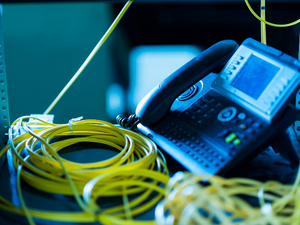
As a business owner, it’s important to stay informed about potential vulnerabilities that could impact your organization. Recently, Cisco reported a critical vulnerability, tracked as CVE-2022-20968, affecting its IP Phone 7800 and 8800 Series.
This new vulnerability is caused by inadequate input validation of packets using the Cisco Discovery Protocol. In other words, a threat actor could take advantage of this flaw by sending specially made Cisco Discovery Protocol traffic to a vulnerable device. If successful, the threat actor could cause a stack overflow, leading to a possible denial of service (DoS) condition or remote code execution on the affected device.
Unfortunately, there is currently no security update or workaround available to address the CVE-2022-20968 vulnerability. However, Cisco has provided mitigation guidance for business owners who wish to protect their vulnerable devices from attacks.
Cisco recommends disabling Cisco Discovery Protocol on IP Phone 7800 and 8800 Series devices and enabling Link Layer Discovery Protocol (LLDP) for neighbor discovery to mitigate this vulnerability. It is crucial that business owners carefully assess the potential impact on their devices and determine the best way to implement this change.
It’s worth noting that this mitigation is only available for devices that support LLDP for neighbor discovery. If you are using affected devices, you must take the necessary steps to protect your organization from this vulnerability. This may require some diligence on your part, but it is worth it to ensure the security of your business.
