






VPNs, or virtual private networks, have grown in popularity recently as more people recognize the need for internet privacy and security. A VPN is a software that encrypts your internet connection, making it difficult for anyone to intercept your data and track your online activities.
A VPN may be helpful for small IT companies since it can assist in protecting both the company and its employees. Here are a few advantages of using a VPN for your small IT company:
Enhanced security: One of a VPN’s key advantages is that it gives your internet connection an additional layer of protection. All of your internet traffic is sent over an encrypted tunnel when you use a VPN, making it far more difficult for hackers and other cybercriminals to access your information. Small IT companies may find this particularly important as they may not have resources, making them more susceptible to cyber assaults.
Enhanced privacy: Besides improving security, a VPN can help safeguard your privacy online. Using a VPN makes it far more challenging for anyone to monitor your online activity since your IP address is concealed and substituted with that of the VPN server. In addition, a VPN provides a secure connection for remote employees who may have to access sensitive information.
Reduced costs: One of the key benefits of using a VPN for your small IT business is the ability to lower your expenses in several ways. A VPN can reduce the cost of data storage by enabling secure access to cloud-based storage services. A VPN adds an additional layer of security against online dangers, which can lower the overall cost of cybersecurity. This can reduce the impact of any cyberattacks and help prevent expensive data breaches.
How to choose the right VPN
It’s important to consider a variety of factors when selecting a VPN for your small IT company, including the level of security and privacy it provides, the speed and reliability of the connection, and the cost.
Additionally, think about the VPN’s reputation and privacy protection.
How to set up a VPN
Setting up a VPN is generally a straightforward process, but it can vary depending on your chosen VPN provider. Most VPNs will provide detailed instructions on how to set up the service. However, it may involve downloading and installing software or configuring your internet connection settings. It’s also a good idea to consult your IT team or a technical expert to ensure that the VPN is set up correctly and meets your business’s needs.
Public and private cloud infrastructures have benefits and drawbacks that can impact small to medium-sized businesses. Some advantages of public cloud infrastructure include lower costs, scalability, and flexibility. However, public clouds also present certain risks, such as data security vulnerabilities. Public clouds can be less secure and reliable than private clouds. On the other hand, private clouds offer greater security and reliability but can be more expensive and difficult to scale.
Hybrid cloud infrastructure is an excellent choice for businesses that want both public and private clouds’ flexibility, scalability, and security. By using a hybrid cloud, businesses have more control over their data and applications while still allowing them to take advantage of the benefits of public clouds.
Affordability
Hybrid cloud solutions can help businesses handle sudden spikes in demand. For example, suppose a company experiences a sudden increase in traffic. In that case, it can transfer some of its workloads to scalable, pay-as-you-go cloud servers. This way, the company won’t have to pay extra for additional hardware or maintenance. Hybrid cloud solutions allow businesses to adjust their capacity as needed quickly. With a hybrid cloud, companies can have the flexibility to handle changing demands.
Flexibility
With a hybrid cloud, companies can have the flexibility to handle changing demands. Business owners can select the right IT solution for the right job by combining private and public cloud servers. For example, companies can use a private cloud to store sensitive information. In contrast, a public cloud can provide more robust computing resources to run resource-intensive applications.
Security
A hybrid cloud solution offers many security advantages. Private cloud storage provides a safe, secure environment for maintaining sensitive data, such as eCommerce or human resource information. In addition, private cloud storage is protected by several security measures. Public clouds, on the other hand, allow companies to store routine documents and forms that third parties can protect.
The hybrid cloud provides many business advantages, including adaptability, cost-effectiveness, scalable, and security. Companies can easily choose a hybrid cloud solution by working with a cloud provider that offers specialized hybrid solutions. Alternatively, companies can host their private cloud infrastructure and integrate public cloud services or integrate private cloud services with public cloud services. This flexibility allows businesses to select the right IT solution for the right job, ensuring they have the resources needed to meet their demands.
On January 23, 2023, GoTo released a statement detailing an update to the ongoing data breach investigation. Business owners should pay attention to this incident and its implications for their security practices.
Details of the Hack:
According to GoTo’s statement, the attack was first confirmed on November 30, 2022, involving unauthorized access to the company’s systems. The attackers gained access to customer information and could have interfered with encrypted backups of user data as well as Multi-Factor Authentication (MFA) settings. However, it is unclear how many accounts were affected by this attack.
The Scope of the Attack:
GoTo has stated that the attack impacted customers who used some of its products, such as Central, Hamachi, Pro, join.me, and RemotelyAnywhere. However, the company also noted that no personal information, such as dates of birth, home addresses, or Social Security numbers compromised. GoTo does not collect and store this type of data.
Moreover, the user data infiltrated from GoTo remains encrypted. The company is keen to ensure no unencrypted personal data on its customers that threat actors can use in phishing attacks.
The Company’s Response:
GoTo responded quickly by contacting the affected users directly to mitigate any potential damage caused by the breach. In addition, it reset passwords, disabled MFA settings, and required users to perform additional steps for verification when logging into their accounts. Furthermore, the company stated that it’s migrating to a robust Identity Management Platform that will provide more security and visibility for its customers.
Impact on Business Owners or General Public:
The data breach has significantly impacted trust in GoTo’s products and services and the security of users’ information. Business owners should take the time to review their current security practices and ensure they are up to date. Though it is difficult to estimate the full extent of the impact of this breach on business owners or the public, identity theft or fraud may likely result from the misuse of stolen data.
Business owners must take proactive steps to ensure adequate security for their organization’s sensitive information and accounts. The GoTo breach should be a lesson in the importance of utilizing strong passwords and multi-factor authentication for all accounts and regularly monitoring any suspicious activity. By following these best practices, business owners can minimize the risk of falling victim to data breaches.
The GoTo data breach proves that not even the most secure systems are immune to attack. As a result, business owners must remain vigilant and proactively protect their data and accounts. With these measures in place, business owners can rest assured that their sensitive information is protected.
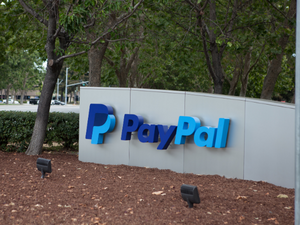
On December 20, 2022, PayPal, one of the most widely used online payment platforms, confirmed that 35,000 users’ accounts had been compromised due to a security breach. An unauthorized party viewed and potentially obtained some personal information of PayPal customers between December 6, 2022, and December 8, 2022. As soon as PayPal identified the breach, the company immediately took steps to protect affected customers and notified law enforcement.
According to the Maine Attorney General, the data breach was caused by credential stuffing. Credential stuffing occurs when attackers use a list of stolen login credentials to gain access to multiple accounts. This attack is often successful because many people use the same password to access various online accounts. Therefore, strong, unique passwords should be created for each online account to ensure maximum security and be updated regularly.
As a result of the breach, PayPal reset passwords for the affected accounts. In addition, PayPal is offering a two-year free identity monitoring service through Equifax to those affected. Equifax services allow individuals to monitor their credit reports and detect suspicious activity, such as unauthorized credit applications or bank account openings.
PayPal recommends all users take proactive measures to protect themselves. Some security measures include updating passwords, changing security questions, and enabling 2-step verification. The 2-step verification process adds a layer of security to an account by requiring a secondary verification method. Some common secondary verification methods include a code sent via text message, phone call, or an authentication application.
Keeping up with the latest threats and taking steps to secure your accounts is essential. The incident serves as a reminder of the importance of being vigilant about protecting personal information online. In addition to using strong passwords and enabling 2-step verification, consumers should monitor their credit reports regularly. Also, pay close attention to suspicious emails or telephone calls claiming to represent a financial institution.
As data breaches continue to increase, protecting personal information becomes increasingly important. Consumers can reduce the risk of becoming a data breach victim by taking proactive measures and staying updated on the latest threats. This recent incident serves as a reminder for us all to protect our personal information.

Businesses seeking to improve productivity and minimize disruptions caused by IT issues can benefit from managed IT services. A managed service provider (MSP) can provide businesses with the expertise to maintain and optimize their IT infrastructure by outsourcing IT support. By doing so, companies can avoid costly downtime and interruptions caused by IT, which can hamper productivity and cost companies money.
Managed IT services provide organizations with the option of customizing the level of support to meet their unique needs, which is one of their main benefits. A managed service provider can provide various services, including monitoring and maintenance, security and compliance, and application or technology support. Consequently, businesses are able to select the support level that perfectly suits their budget and needs.
To maximize the benefits of managed IT services, businesses should follow a few best practices:
Assess your IT needs: Understanding your organization’s IT needs and priorities is essential before engaging with an MSP. This will make it easier for you to select an MSP that can offer you the right support and expertise.
Select a reputable MSP: It is imperative to select an MSP with a proven track record and a team of professionals with extensive experience in delivering reliable and efficient IT support.
Establish clear communication: Ensure you communicate clearly with your MSP about your IT needs. Set up regular check-ins and a procedure for reporting and resolving issues.
Stay up to date: Managed IT services can help businesses stay on top of the latest technologies and best practices. Ensure you are aware of the latest developments and work with your MSP to implement any updates or upgrades that may be needed.
Business owners who want to improve productivity and minimize disruptions caused by IT issues can benefit from managed IT services. By outsourcing IT support to a reputable managed service provider and following best practices, you can ensure a reliable, efficient, and well-supported IT infrastructure.

The mobile phone provider recently announced that a data breach had impacted 37 million T-Mobile accounts. In a Form 8-K filing with the US Securities and Exchange Commission, T-Mobile said they realized an authorized entity obtained data via a single API on January 5, 2023. Unlike other data breach cases where customer data is sometimes preserved, the hackers have stolen personal customer data, such as credit card information. The compromised information contains some clients’ credentials, names, phone numbers, addresses, and billing information. T-Mobile tries to make things sound not as bad by saying that most of this information is already “widely available” in marketing databases and directories. Notably, the carrier didn’t precisely imply that “No payment card information, passwords, government ID numbers, social security numbers, or other financial account data were compromised.”
T-Mobile responded quickly to the data breach and was able to track down the source and put a stop to it within the day of detection. They shut down within 24 hours of detection in order to protect the customers and their security. T-Mobile also contacted law enforcement and is currently investigating the incident. In addition, T-Mobile has implemented additional security measures to prevent further unauthorized access or data breaches. The company has also begun notifying clients whose data may have been breached. T-Mobile said it would offer free credit monitoring and identity protection to those affected in a public press release announcing the breach.
According to The Wall Street Journal, the Federal Communications Commission has opened an investigation into the data breach. “This incident marks yet another data breach in a string of cases at the company, and it’s being investigated by FCC,” the FCC spokesperson told the publication. This is the eighth time that T-Mobile has been hacked since 2018.
In the last piece with the SEC filing, T-Mobile said that they expect the news not to have any material effect on their operations. In simple terms, T-Mobile doesn’t expect their clients to be too upset and decide to take their business elsewhere!
Businesses of all sizes can benefit from outsourcing IT support because of the accessibility to specialized knowledge, cost reductions, and operational flexibility. Some top benefits of outsourcing IT support include financial savings, access to technical knowledge, and more flexibility. By evaluating these advantages, companies can make educated decisions about whether outsourcing IT support is the best option for their needs.
1. Cost savings: Particularly for small and medium-sized companies, outsourcing IT support can frequently be more affordable than maintaining an in-house workforce. This is because outsourced IT support providers often benefit from economies of scale, allowing them to offer their services at a lower cost than in-house staff.
2. Expertise: IT support companies frequently have a staff of skilled experts who can deal with various technical issues. Having access to these experts means you can access a wide variety of knowledge. This can allow you and your team to make informed decisions quickly and efficiently.
3. Flexibility: By outsourcing IT support, you can scale up or down as needed without hiring more employees or committing to other long-term plans. Additionally, having the option to scale your services as needed might be especially helpful for companies with seasonal variations in their IT requirements or who are growing quickly and need flexibility.
IT support outsourcing may be a wise business move, especially for organizations with limited resources or who need specialist knowledge. Instead of wasting time and energy worrying about IT maintenance and troubleshooting, businesses that outsource their IT assistance can concentrate on improving their core skills. In general, outsourcing a company’s information technology services can be a wise investment for a business working to enhance its operations’ efficiency and bottom line.
As the New Year begins, business owners need to be aware of a significant change in the technology landscape: the end of Microsoft’s support for Windows 7 and 8.1. As of January 10th, 2023, Microsoft will no longer provide security updates or technical support for these versions of its operating system. This poses a significant risk to businesses still running these older systems, as they are left vulnerable to cyberattacks.
The decision to end support for Windows 7 and 8.1 resulted from the end of their product lifecycle and Microsoft’s focus on modern technologies, such as Windows 11. This strategy shift aims to provide customers with the best security and the latest features.
End of Product Lifecycle
Microsoft has a clear policy for the end-of-life of its products, and Windows 7 and 8.1 have both reached their respective ends of product lifecycles. As a result, Microsoft will no longer provide security updates or technical support for these operating systems.
Focus on Modern Technologies
Microsoft is focusing its resources on more modern operating systems, such as Windows 11, to provide customers with the best security and latest features. Unfortunately, this means that older versions of Windows no longer receive important updates and security patches from Microsoft.
Increased Security Risks
Due to Windows 7 and 8.1 reaching their end of life, they have become increasingly vulnerable to cyber-attacks and other security threats. In addition, the lack of support from Microsoft can make it difficult to protect and recover data due to technical issues or a cyberattack.
Security Implications of Not Upgrading
Microsoft’s lack of security updates and technical support leaves businesses running Windows 7 or 8.1 at serious risk for cyber-attacks and other malicious activities. As a result, business computer systems are vulnerable to various cyber threats without the latest security patches. Furthermore, any software or hardware connected to these systems could also be at risk.
In addition, businesses without up-to-date operating systems will find it challenging to utilize new technologies and features. However, with the latest innovations, companies may find it easier to stay competitive within their respective industries.
Options Available for Businesses Still Running Older Versions of Windows
Business owners should consider upgrading to the latest Windows 11 as soon as possible. Doing so will provide the most secure and up-to-date operating system for their computer.
While upgrading to Windows 11 may not be an option for various reasons. Businesses may consider alternative solutions such as virtualization or moving core services to a cloud. These solutions can help them maintain a secure environment while utilizing their current hardware. In any case, businesses should take this opportunity to upgrade and protect the company’s data and network infrastructure.
Norton LifeLock, a leading provider of identity protection and cybersecurity services, recently experienced a data breach caused by a credential stuffing attack.
Credential stuffing is a cyberattack in which a hacker uses previously compromised information from one account to access another account, website, or service. This highlights the risks of reusing passwords across accounts, making it easier for hackers to access personal information.
Details of the Hack
The breach occurred on December 1 and was discovered on December 12 when IT staff witnessed an unusually large amount of incorrect login attempts. As a result, the hackers may have accessed sensitive credentials such as saved passwords, usernames, phone numbers, and email addresses of approximately 6450 Norton LifeLock customers.
Despite security experts suggesting using different passwords for each account over the years, many password manager users have admitted to reusing passwords across multiple accounts. By reusing passwords, threat actors have a greater chance of obtaining personal information from other accounts.
Norton LifeLock Response
In response to the hack, Norton LifeLock recommends that customers change their passwords and remain vigilant for any suspicious activity. They have also emphasized the importance of multi-factor authentication, including a security key or an authentication app, which can provide your business with an extra layer of security. In addition, Norton LifeLock stated that it is cooperating with law enforcement and will investigate security measures to prevent similar attacks in the future.
Impact on Businesses
The Norton LifeLock data breach is a reminder that even well-known and reputable companies can be victims of cyber attacks. Companies should be aware of potential vulnerabilities if they use the Norton LifeLock services or a similar password manager. Threat actors could use the information accessed during the data breach to target other accounts or launch phishing attacks against employees.
The Norton LifeLock data breach reminds us of the growing prevalence of cyber threats. Therefore, it’s essential for businesses to stay informed and take proactive measures to protect their sensitive information. These measures include changing passwords regularly, monitoring accounts for suspicious activity, and implementing additional security measures like two-factor authentication. By taking these steps, organizations can help ensure that their sensitive information remains protected.
